- Established: 1980
- Area: 1,733 square kilometers
- UNESCO Status: World Heritage Site since 1991
The Origins of Komodo National Park
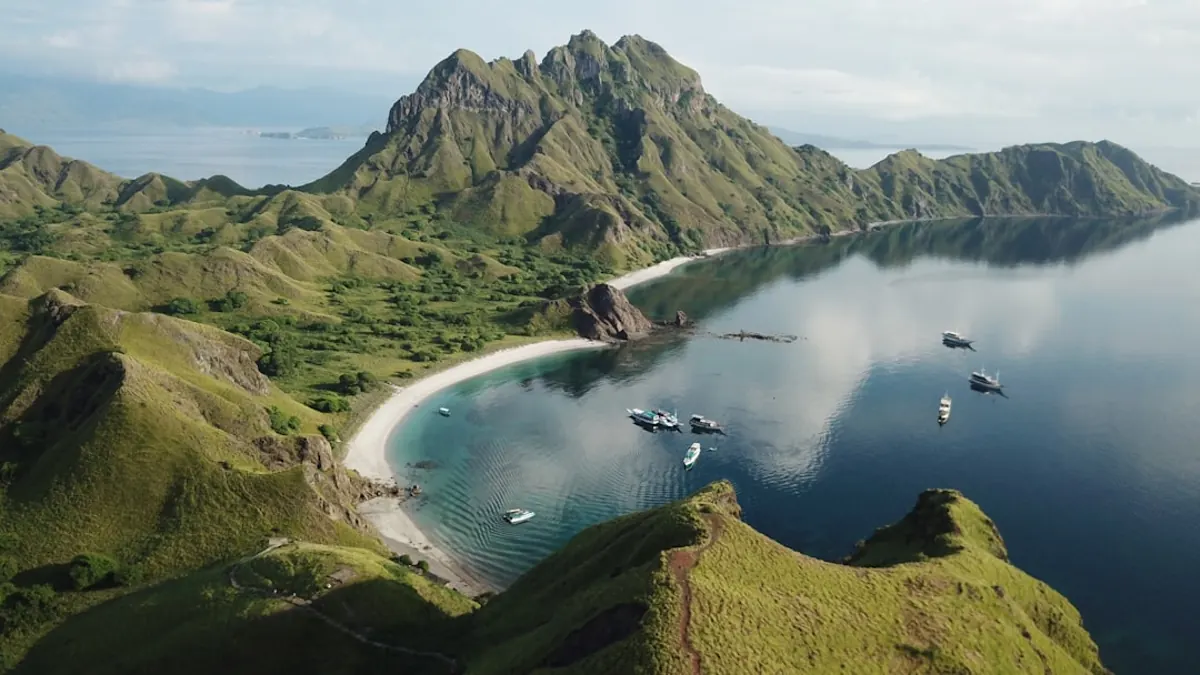
Komodo National Park is located in East Nusa Tenggara, Indonesia, encompassing the islands of Komodo, Rinca, Padar, and numerous smaller islets. The park was officially designated in 1980 to protect the unique ecosystem and the famous Komodo dragon (Varanus komodoensis), the largest lizard on Earth. The establishment of the park was a response to the threats posed by poaching and habitat destruction, which endangered not only the Komodo dragon but also the myriad of other species found in the region.
The area has been inhabited for centuries, with local communities relying on its resources. However, the growing awareness of the ecological significance of the islands prompted the Indonesian government to take action, leading to the park’s creation. In 1991, Komodo National Park was designated a UNESCO World Heritage Site due to its exceptional biodiversity and the importance of its conservation.
Biodiversity and Unique Ecosystem
The park spans approximately 1,733 square kilometers and features a diverse range of habitats, including savannah, tropical forests, and coral reefs. This variety supports an range of wildlife, including:
- Komodo dragons
- Endemic species such as the Flores giant rat and the orange-footed scrub fowl
- Marine life including manta rays, sea turtles, and various fish species
The marine ecosystem around Komodo National Park is equally impressive. The waters are part of the Coral Triangle, known for its high coral diversity, making it a world-class destination for divers and snorkelers. The health of these ecosystems is critical, as they contribute not only to the local environment but also to the economy through eco-tourism.
Conservation Efforts and Challenges
Since its establishment, various initiatives have been implemented to safeguard the park’s natural resources. The Indonesian government, alongside non-governmental organizations (NGOs), has focused on several key areas:
- Anti-poaching patrols to protect Komodo dragons and other wildlife
- Community engagement programs to involve local populations in conservation efforts
- Regulation of tourism to minimize environmental impact
Despite these efforts, the park faces ongoing challenges. Illegal fishing, habitat destruction, and climate change threaten the delicate balance of its ecosystems. Moreover, the rise in tourism puts additional pressure on the environment. Balancing conservation with the economic benefits of tourism is crucial for the park’s future.
Tourism and Its Impact
Tourism has become a significant part of the local economy, providing jobs and income for many residents. In recent years, the number of visitors to Komodo National Park has increased dramatically, with approximately 200,000 tourists visiting annually. This influx has led to the development of various tourism offerings, from budget-friendly boat tours to luxury yacht experiences.
However, the increase in visitors requires careful management. The park authorities have implemented measures such as entrance fees to regulate the number of tourists and ensure that the park’s ecosystems remain protected. As of 2023, the entrance fee for foreign tourists is approximately IDR 150,000 (around USD 10) for a single visit, with additional charges for various activities, such as guided tours and diving.
Seasonal Highlights and Best Times to Visit
Komodo National Park offers unique experiences throughout the year, but certain seasons provide optimal conditions for specific activities. The dry season, from April to December, is the most popular time to visit, with sunny weather and calm seas ideal for diving and snorkeling. During this period, visibility underwater can reach up to 30 meters, revealing the vibrant marine life in full glory.
The wet season, from January to March, brings heavier rainfall and rougher seas, which can affect outdoor activities. However, this is also the time when the park is less crowded, providing a more serene experience for those who do visit. The landscape becomes lush and green, offering a different perspective of the islands’ natural beauty.
For those interested in witnessing the Komodo dragons at their most active, visiting during the mating season, which peaks in July and August, can be particularly rewarding. This is when the dragons are most visible and engaged in fascinating behaviors.
How to Get There and Around the Park
Reaching Komodo National Park typically involves flying into Labuan Bajo on Flores Island, the main gateway to the park. Direct flights are available from Bali, with airlines such as Garuda Indonesia and Lion Air offering daily services. The flight from Bali to Labuan Bajo takes about 1 hour and 15 minutes, with prices ranging from USD 50 to 150 depending on the season and booking time.
Once in Labuan Bajo, visitors can join organized tours or hire private boats to explore the park. A popular option is the 3-day liveaboard tour, which allows travelers to fully immerse themselves in the stunning natural beauty and biodiversity of the region. These tours typically range from USD 300 to 500 per person, including meals, snorkeling equipment, and park entrance fees.
3-Day Komodo Trip Itinerary
A 3-day trip around Komodo National Park is an ideal way to explore its diverse landscapes and rich biodiversity. Here’s a sample itinerary to help you make the most of your visit:
Day 1: Arrival and Rinca Island
Upon arrival at Labuan Bajo, a boat heading towards Rinca Island, which is approximately a 2-hour journey. Rinca is one of the best places to see Komodo dragons in their natural habitat. Join a guided trek through the island’s savannah and forests, keeping an eye out for other wildlife such as water buffalo and wild horses. In the evening, return to the boat for dinner and relaxation under the stars.
Day 2: Komodo Island and Pink Beach
Start your day with a visit to Komodo Island, where you can another guided trek to spot more Komodo dragons and enjoy the island’s unique landscapes. Afterward, head to Pink Beach, renowned for its rare pink sand and vibrant marine life. Spend the afternoon snorkeling in the crystal-clear waters, observing colorful coral reefs and diverse fish species. Overnight on the boat, anchored near a tranquil bay.
Day 3: Padar Island and Manta Point
Rise early to hike to the top of Padar Island, where you’ll be rewarded with breathtaking panoramic views of the surrounding islands and turquoise waters. After descending, sail to Manta Point, a popular spot for snorkeling with majestic manta rays. Enjoy a final lunch on board before returning to Labuan Bajo in the afternoon, concluding your memorable 3-day adventure in Komodo National Park.
Accommodation Options in Labuan Bajo
Before or after your Komodo trip, Labuan Bajo offers a range of accommodations to suit different budgets and preferences. For budget travelers, hostels like Ciao Hostel offer dormitory beds starting at USD 10 per night. Mid-range options such as La Prima Hotel provide comfortable rooms with prices around USD 50 per night. For a more luxurious stay, resorts like Ayana Komodo Resort offer stunning ocean views and premium amenities, with rates starting from USD 250 per night.
Regardless of where you choose to stay, Labuan Bajo provides a convenient base to prepare for your Komodo adventure and explore the local culinary scene, with numerous restaurants offering fresh seafood and traditional Indonesian dishes.