Sunrise over Komodo National Park casts hues of gold across the rugged terrain, while the gentle hum of boat engines signals the start of an adventurous day. The archipelago, teeming with diverse wildlife and surrounded by azure waters, offers experiences that transport travelers into an explorer’s dream.
The Dry Season: Ideal Conditions for Exploration
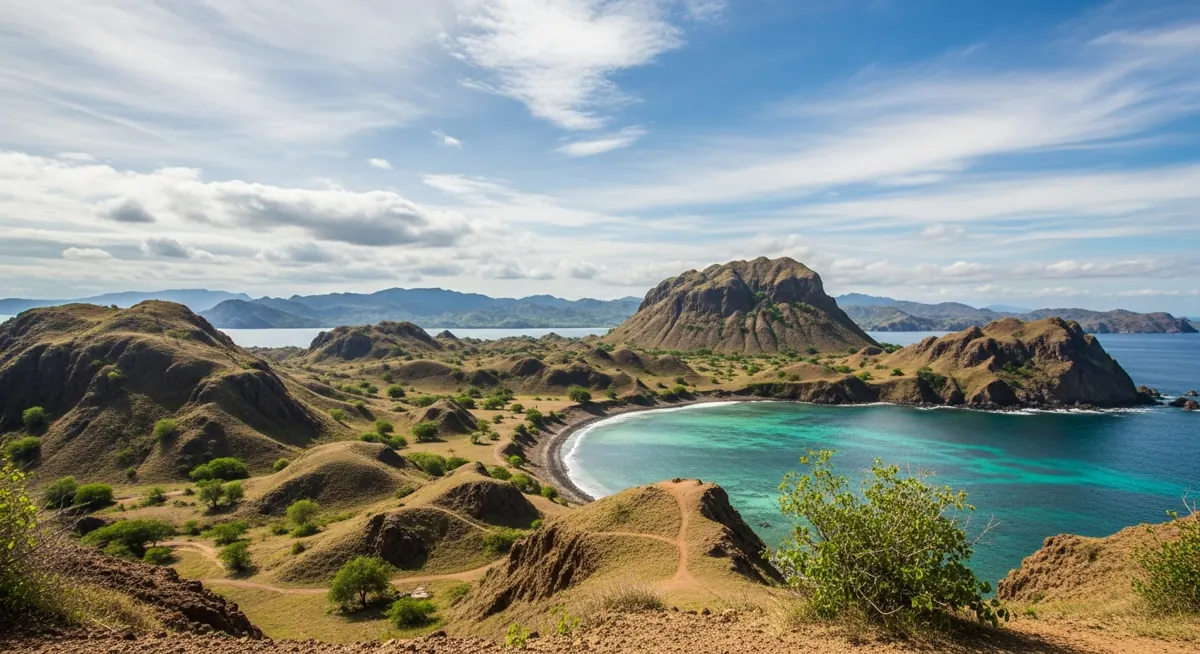
From April to November, Komodo National Park is at its most accessible. The dry season brings minimal rainfall, ensuring trails on islands like Komodo and Rinca remain manageable. Temperatures hover around 28°C (82°F), perfect for outdoor activities. The dry spell also results in calmer seas, making inter-island travel smoother and more predictable. According to UNESCO, the park’s biodiversity is best appreciated during this time as the flora and fauna are most active.
The Monsoon Months: A Different Perspective
December through March marks the monsoon season in Komodo. While heavy rains and occasional storms can disrupt travel plans, this period offers a unique view of the islands. Lush greenery flourishes, and fewer tourists mean a more intimate experience. However, boat trips might face cancellations due to rough seas. For those seeking solitude and a different ambiance, this season offers a quieter alternative. Indonesian tourism boards suggest checking weather updates regularly during these months.
Marine Life: Timing Your Dive
Diving enthusiasts flock to Komodo for its world-class underwater scenes. The dry season ensures better visibility, often exceeding 30 meters (98 feet), ideal for observing manta rays and vibrant coral reefs. The legendary Komodo dragon, while terrestrial, shares its habitat with a marine ecosystem that offers over 1,000 species of fish. Certified divers often plan their trips around these months to maximize their underwater experiences, with PADI and other organizations offering local dive certifications.
Exploring the Dive Sites: A Diver’s Checklist
The waters around Komodo National Park host some of the most renowned dive sites in the world. Cape Kri is famous for the sheer variety of marine life, while Blue Magic offers encounters with oceanic manta rays. Manta Sandy is a cleaning station where divers can witness mantas in their natural habitat. Each site offers distinct attractions, and planning a dive itinerary to include these locations can ensure a comprehensive underwater experience. Dive operators often tailor trips to include a mix of sites to suit varying skill levels and interests.
Trekking and Wildlife Encounters
Komodo dragons, the park’s most famous residents, are best observed during the dry months when they bask in the sun. Guided treks on islands like Komodo and Rinca offer a chance to see these creatures in their natural habitat. Trails range from easy to challenging, catering to all levels of hikers. The presence of park rangers ensures safety and enriches the experience with insights into the dragons’ behavior and ecology. The park, established in 1980, is a conservation area, emphasizing the need for guided tours.
Choosing the Right Vessel for Your Adventure
Options abound when selecting a vessel for a 3daykomodotrip. From liveaboards to luxury yachts, each option offers distinct experiences. Liveaboards, often costing between $300-$600 for a three-day itinerary, provide a communal, immersive experience. Meanwhile, private charters or luxury yachts, priced upwards of $1,500, offer personalized service and privacy. Regardless of choice, each vessel adheres to safety standards set by Indonesian maritime authorities.
Understanding Park Fees and Regulations
Visitors to Komodo National Park are required to pay entrance fees, which contribute to conservation efforts. The fees, approximately $10 for domestic tourists and $25 for international visitors per day, help maintain the park’s facilities and support local communities. Adhering to park regulations, such as not feeding the wildlife and staying on marked paths, is critical for ensuring the park’s ecological balance and visitor safety. Understanding these fees and rules before embarking on a 3daykomodotrip is essential for a responsible visit.
Local Events and Cultural Highlights
Time your visit to coincide with local festivals for a cultural twist. The Pasola Festival in February is a traditional event held on nearby Sumba Island, involving horseback battles that celebrate planting season. While not directly within the park, it’s a cultural experience worth considering when planning your trip. The park’s proximity to Flores also means access to local markets and traditional villages, enriching the travel itinerary with cultural exchanges.
Preparing for Your 3daykomodotrip: A Step-by-Step Guide
- Choose Your Travel Dates: Decide whether you prefer the dry season’s clear skies or the monsoon’s lush landscapes.
- Select Your Vessel: Consider the type of experience you want, from communal liveaboards to private luxury charters.
- Book Your Dive Operators: If diving is a priority, secure spots with reputable operators familiar with sites like Manta Sandy and Blue Magic.
- Check Park Regulations: Visit the official tourism website for the latest updates on park fees and conservation efforts.
- Plan Cultural Excursions: Explore options to visit nearby villages or attend regional festivals.
Planning Ahead for the Best Experience
With the diversity of experiences Komodo offers, planning ahead is key. For those looking to dive, securing spots on popular liveaboards early is crucial, as they fill up quickly during peak months. Checking the Komodo National Park’s official website for updates on conservation efforts or new regulations can enhance the experience. Visit our homepage for more resources and to start planning your 3daykomodotrip today.
Comparing Komodo and Raja Ampat: A Diver’s Dilemma
Both Komodo and Raja Ampat are celebrated for their diving opportunities, but each offers distinct experiences. Komodo’s nutrient-rich waters attract manta rays and offer dramatic drift dives, particularly at sites like Castle Rock. In contrast, Raja Ampat, located 1,500 kilometers (932 miles) northeast of Komodo, is known for its diverse coral species and calm lagoon dives. While Komodo is accessible via a short flight from Bali to Labuan Bajo, reaching Raja Ampat typically requires a longer journey to Sorong. For divers, the choice between these destinations can depend on the specific marine life they wish to encounter, travel logistics, and personal preferences.
Planning specifics? See full pricing guide or booking details.