- Visibility ranges from 20 to 40 meters.
- Water temperatures average 26°C to 29°C.
- Less crowded, providing a more enjoyable experience.
Understanding Komodo National Park
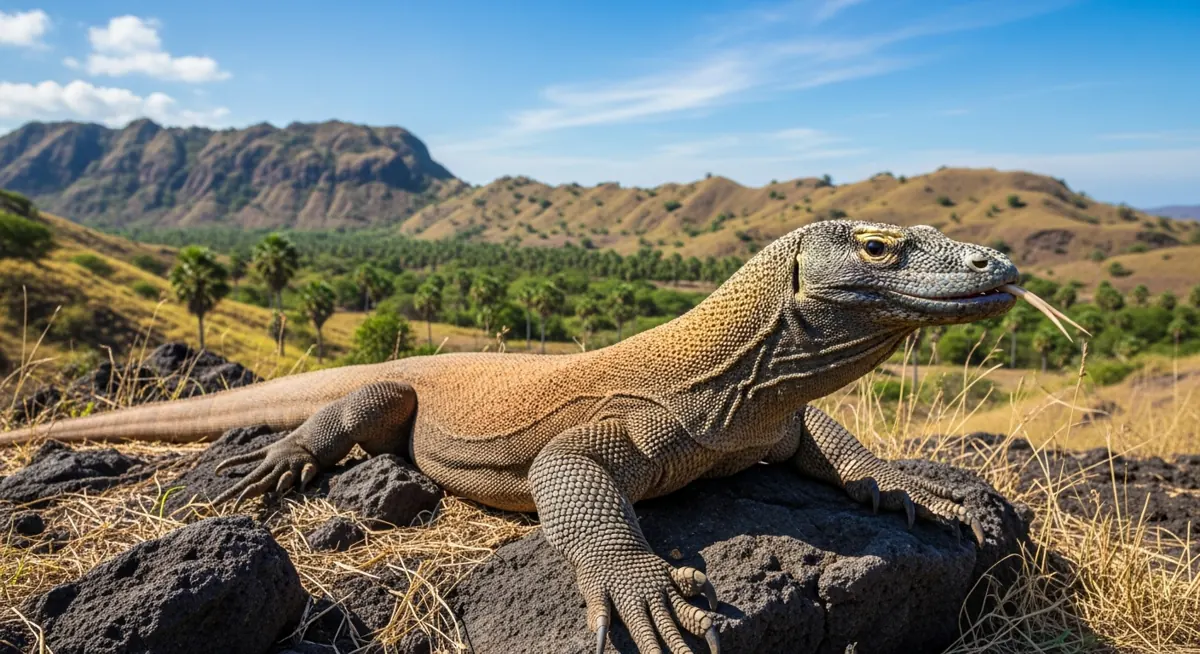
Komodo National Park, located in Flores, East Nusa Tenggara, Indonesia, is renowned for its rich marine biodiversity and unique ecosystems. The park encompasses over 1,800 square kilometers of land and sea, making it a prime destination for diving enthusiasts. With a variety of dive sites, each offering unique underwater experiences, choosing the right time to visit is crucial for maximizing visibility and overall enjoyment.
Best Months for Diving in Komodo
When planning your three-day diving trip, the timing can significantly impact your experience. The ideal months are divided into two main seasons: the dry season and the transitional months. Here’s a detailed look at what to expect.
Dry Season: April to June
The dry season in Komodo typically runs from April to June. These months are considered the peak for diving due to optimal visibility and favorable weather conditions. Here’s what you can expect:
- Visibility: During this period, visibility can reach up to 40 meters. This is ideal for spotting diverse marine life, including manta rays, sharks, and colorful coral reefs.
- Water Temperature: The water temperature ranges from 26°C to 29°C, ensuring comfortable diving conditions.
- Weather: The weather is generally sunny with minimal rainfall, making it perfect for both diving and surface activities.
- Marine Life: April to June is an excellent time for witnessing the vibrant marine life, including spawning events for various species.
Transitional Months: September to November
After the dry season, the transitional months of September to November are also a great time for diving. The weather remains stable, and the marine conditions continue to be favorable:
- Visibility: Expect visibility to range from 20 to 30 meters, which is still excellent for underwater exploration.
- Water Temperature: The temperatures remain consistent, averaging around 27°C to 29°C.
- Weather: While September might see occasional rain, by October and November, the weather stabilizes, offering clear skies and calm seas.
- Marine Activity: This period is known for vibrant coral spawning and increased fish activity, offering a dynamic diving experience.
Months to Avoid for Diving
While there are optimal months for diving, certain periods may not be ideal due to weather conditions:
- December to February: These months fall within the rainy season. Rainfall can lead to reduced visibility, with underwater visibility dropping to as low as 10 meters in some areas.
- Wind and Currents: Strong winds and currents can make diving challenging and less safe in the rainy season, affecting overall diving experiences.
Planning Your Trip
When planning your three-day Komodo diving trip, consider the following tips to enhance your experience:
- Choose the Right Vessel: Select from liveaboards, day boats, or luxury yachts based on your preferences and budget. Liveaboards offer a more immersive experience, while day boats are suitable for shorter trips.
- Book in Advance: The best months can get crowded, so booking ahead ensures you secure your preferred diving spots and accommodations.
- Check Local Regulations: Always be aware of the local conservation rules and guidelines to protect the marine environment.
Diving and Snorkeling Tips
To make the most of your three-day diving adventure, keep these tips in mind:
- Gear Check: Ensure your diving gear is in good condition and suitable for the conditions you will encounter.
- Stay Hydrated: Drinking water is essential, especially in warmer weather. Dehydration can negatively affect your diving experience.
- Respect Marine Life: Maintain a safe distance from marine creatures and avoid touching coral or other sensitive ecosystems.
Accommodation and Travel Logistics
Choosing the right accommodation and planning logistics are crucial for a smooth diving trip in Komodo National Park. Labuan Bajo, the gateway to the park, offers a range of accommodations from budget hostels to luxury resorts. Prices can range from $20 USD per night for a basic hostel to over $200 USD per night for a luxury stay. Popular options include the Sylvia Resort Komodo and the Plataran Komodo Resort & Spa.
To reach Labuan Bajo, most travelers fly into Komodo Airport (LBJ) from Bali’s Ngurah Rai International Airport (DPS). The flight takes approximately 1.5 hours, and ticket prices range from $60 to $150 USD, depending on the season and airline. Once in Labuan Bajo, you can arrange for a boat transfer to the park, which is about 1-2 hours away by speedboat.
Exploring Beyond Diving
While diving is a highlight, Komodo National Park offers a range of other activities. Trekki
Must-Visit Dive Sites in Komodo
Komodo National Park is home to a variety of dive sites, each offering unique underwater landscapes and marine life. Here are some must-visit sites on your three-day trip:
- Batu Bolong: Known for its spectacular coral gardens and abundant marine life, Batu Bolong is a top choice for divers. The vibrant coral and clear waters make it perfect for photography.
- Manta Point (Karang Makassar): As the name suggests, this site is famous for manta ray sightings. Divers can expect to see these majestic creatures gliding gracefully through the water.
- Castle Rock: This site offers strong currents, which attract large schools of fish and predators like sharks. It’s a thrilling dive for experienced divers seeking adventure.
Budgeting for Your Komodo Trip
A detailed budget can help you manage costs effectively during your Komodo trip. Here’s a breakdown of potential expenses:
- Diving Costs: Daily diving packages range from $100 to $150 USD, including equipment rental and guide fees. Liveaboard trips might cost between $500 to $1,500 USD for three days, depending on the level of luxury.
- Meals: Dining in Labuan Bajo can be affordable, with local warungs (small eateries) offering meals for as low as $2 to $5 USD. For a more upscale dining experience, expect to pay around $20 USD per meal.
- Transportation: Aside from flights, budget around $10 to $20 USD for local transport, such as taxis or scooter rentals, to explore Labuan Bajo.
Seasonal Wildlife Encounters
Komodo National Park is teeming with wildlife year-round, but certain seasons offer unique opportunities to witness specific marine and terrestrial species:
- Manta Rays: While manta rays can be seen throughout the year, they are especially prevalent from December to February, despite the rainy season challenges.
- Komodo Dragons: The best time to see these iconic reptiles is during the dry season when they are more active and visible on the islands of Komodo and Rinca.
- Dolphins and Whales: Sightings are common during the transitional months of September to November, as these marine mammals migrate through the park’s waters.