- Dry season: April to December with minimal rainfall.
- Wet season: January to March, potential for heavy rain.
- Temperature: Ranges from 25°C to 32°C (77°F to 90°F) year-round.
Understanding the Weather in Komodo National Park by Month
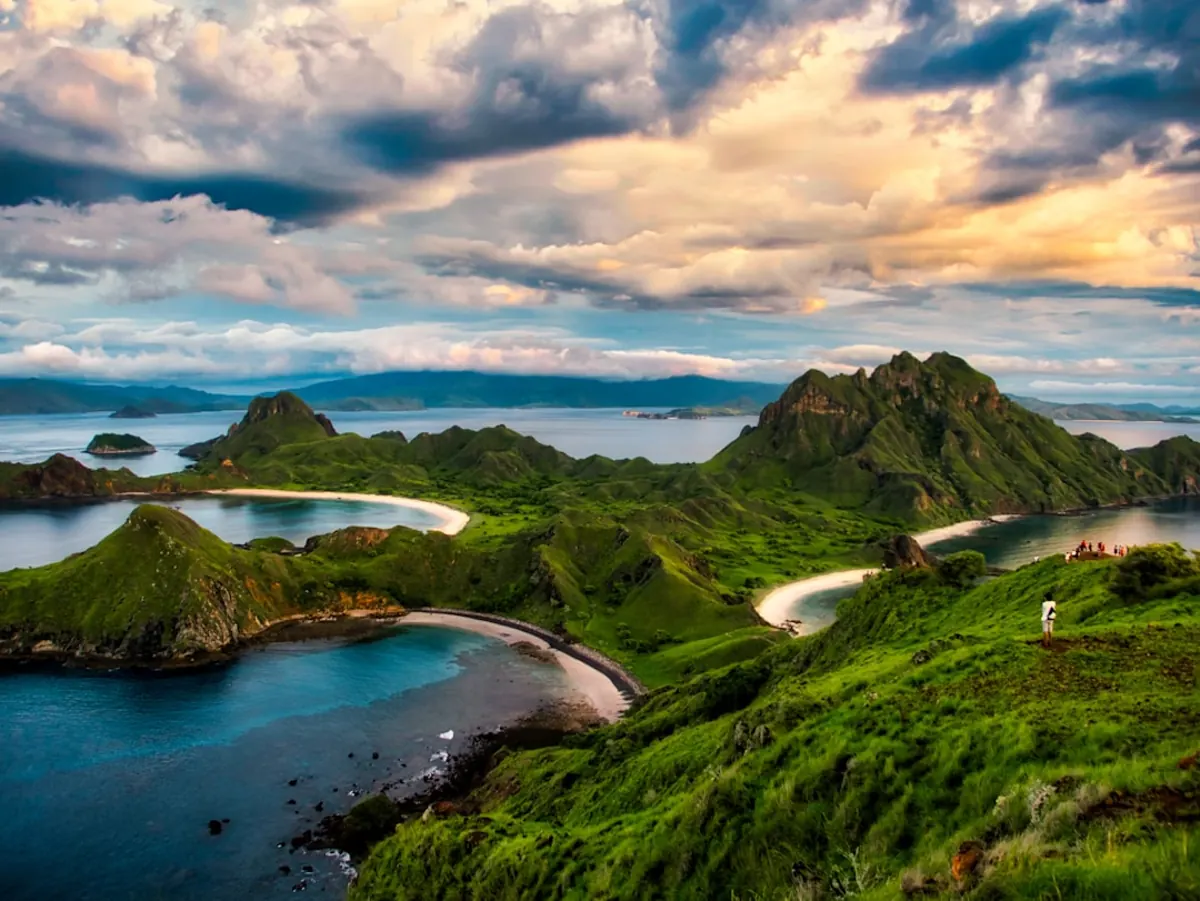
Komodo National Park, located in East Nusa Tenggara, Indonesia, is a prime destination for adventure seekers and nature enthusiasts. The weather significantly impacts planning your three-day trips within the park. Understanding the monthly weather patterns will help you choose the best time for your adventure.
Monthly Breakdown of Weather Conditions
Here’s a month-by-month analysis of what to expect when visiting Komodo National Park:
- January: This month marks the peak of the wet season. Rainfall is frequent, and humidity is high, making it a less favorable time for outdoor activities. Expect average temperatures around 25°C to 30°C (77°F to 86°F). Many operators may reduce services due to weather conditions.
- February: Similar to January, February continues the trend of wet weather. While the rain can be heavy, it often comes in short bursts, allowing for some dry spells. Temperatures remain steady, and the park’s landscapes are lush and vibrant. However, be prepared for possible disruptions in boat trips.
- March: The rain begins to taper off, signaling the end of the wet season. Though occasional showers may occur, March is generally more favorable for outdoor activities. Temperatures range from 24°C to 31°C (75°F to 88°F), providing comfortable conditions for hiking and exploring.
- April: April marks the beginning of the dry season, with significantly less rainfall. This month offers clear skies and pleasant temperatures, making it ideal for diving and snorkeling. The average temperature is around 26°C to 32°C (79°F to 90°F).
- May: Continuing the trend of dry weather, May is one of the best months to visit Komodo. Expect warm temperatures and low humidity, perfect for hiking and wildlife spotting. Average temperatures hover around 26°C to 31°C (79°F to 88°F).
- June: June remains dry, with excellent conditions for exploring the park. The visibility for diving is at its peak, and the marine life is abundant. Average temperatures range from 25°C to 30°C (77°F to 86°F), making it comfortable for all activities.
- July: July is part of the dry season and is a popular time for tourists. The weather is warm, with temperatures between 25°C and 29°C (77°F to 84°F). Expect clear skies and calm seas, ideal for boat trips and snorkeling excursions.
- August: Similar to July, August features dry conditions and is a peak month for tourism. The average temperature remains around 25°C to 29°C (77°F to 84°F). Be prepared for larger crowds and book your tours in advance.
- September: September offers excellent weather, with warm temperatures and minimal rainfall. Average temperatures range from 24°C to 30°C (75°F to 86°F). This month is ideal for wildlife sightings as many animals are active and visible.
- October: October is still part of the dry season, but occasional rain showers may begin to appear towards the end of the month. Temperatures remain comfortable, ranging from 25°C to 31°C (77°F to 88°F). This is a great time for photography and enjoying the views.
- November: November marks the transition into the wet season. Rainfall begins to increase, but the weather is still conducive for outdoor activities early in the month. Average temperatures range from 25°C to 30°C (77°F to 86°F).
- December: December sees the return of the wet season, with increased rainfall and higher humidity. While some tours still operate, expect potential cancellations due to weather. Average temperatures are around 24°C to 29°C (75°F to 84°F).
How Weather Affects Three-Day Trips
Planning a three-day trip to Komodo National Park requires careful consideration of the weather, as it can affect various aspects of your adventure.
1. Diving and Snorkeling Conditions
The best diving and snorkeling conditions occur during the dry season, particularly from April to September. Visibility can reach up to 30 meters (98 feet), allowing divers to fully appreciate the rich marine life, including manta rays and vibrant coral reefs. In contrast, during the wet season, reduced visibility due to rain can hinder underwater experiences.
2. Hiking and Wildlife Spotting
For hiking and wildlife spotting, the dry months (April to September) offer the most comfortable temperatures and less muddy terrain. While you can still hike during the wet season, trails may be slippery, and some areas might be less accessible. The dry season also coincides with the active wildlife season, providing better opportunities to see the famous Komodo dragons in their natural habitat.
3. Boat Trip Operations
Boat tours are a central part of any three-day trip, allowing access to various islands and snorkeling spots. During the wet season, rough seas can lead to cancellations or changes in itineraries. Conversely, the calm waters of the dry season ensure smooth sailing and reliable tour schedules. It’s advisable to book your boat trips in advance, especially during the peak tourist months of July and August.
Key Takeaways
Understanding the weather in Komodo National Park by month is crucial for planning your three-day adventure. With dry months from April to September providing the best conditions for diving, hiking, and boat trips, you’ll want to align your travel dates accordingly. For more information on planning your trip, including vessel options and pricing, visit our resource at our 3Day Komodo Trip Pricing & Cost Guide guide.
By keeping these weather insights in mind, you can maximize your experience in this unique destination, ensuring that your three-day journey through Komodo National Park is both enjoyable and memorable.
Planning specifics? See see current rates or read the full guide.