- Peak manta season: April to December.
- Water temperature averages 27-30°C (81-86°F).
- Best dive sites include Manta Point and Makassar Reef.
Understanding Manta Ray Behavior
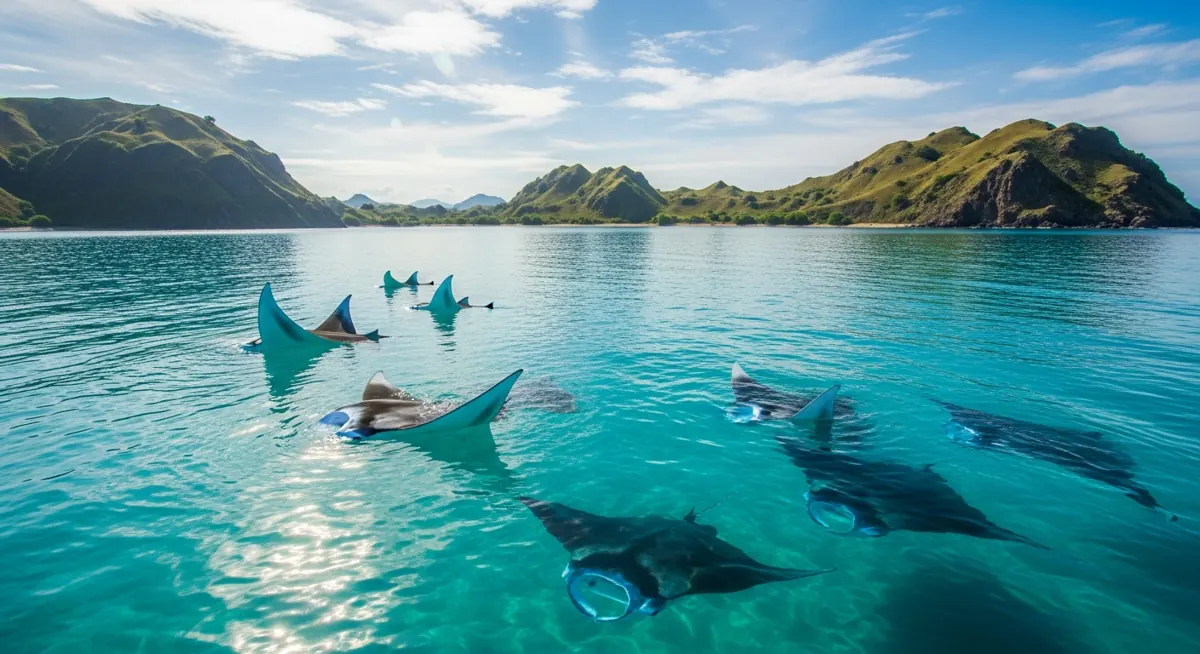
Manta rays are fascinating creatures that can be seen in various parts of the world, but Komodo National Park is one of the best locations for spotting them. Known for their graceful movements and impressive size, these rays can reach wingspans of up to 7 meters (23 feet). They thrive in warm waters and are often found near cleaning stations, where smaller fish remove parasites and dead skin. Understanding the seasonal behavior of manta rays is crucial for planning your trip.
Best Months for Manta Ray Sightings
When planning a three-day liveaboard trip in Komodo, the timing significantly impacts your chances of encountering manta rays. The peak season for manta ray sightings runs from April to December.
- April to June: This period marks the beginning of the dry season in Indonesia. Water visibility improves, making it easier to spot manta rays. The plankton bloom starts, attracting these majestic creatures.
- July to September: Manta rays are abundant during these months. The water temperature is ideal, ranging from 27 to 30°C (81 to 86°F), and visibility often exceeds 25 meters (82 feet). This is the best time for divers and snorkelers alike.
- October to December: As the dry season continues, manta ray sightings remain high. By November and December, you may also catch a glimpse of the migratory patterns of other marine life.
Ideal Dive Sites for Manta Rays
Several key dive sites within Komodo National Park are renowned for manta ray sightings. Planning your liveaboard itinerary around these locations can enhance your experience.
Manta Point
Manta Point is arguably the most famous site to see manta rays in Komodo. Located near the island of Nusa Penida, this dive site features a cleaning station where mantas gather to be cleaned by smaller fish. Expect to see multiple manta rays gliding gracefully through the water.
Makassar Reef
Makassar Reef is another hotspot for manta ray activity. The site features a shallow reef where mantas often congregate during their feeding and cleaning routines. Visibility is generally excellent, providing a fantastic opportunity for underwater photography.
Other Notable Sites
While Manta Point and Makassar Reef are the primary locations, other dive sites like Batu Balong and Siaba Kecil also offer chances to see these majestic rays. Always check with your liveaboard operator for recommended sites based on current conditions.
Planning Your Liveaboard Trip
When considering a three-day liveaboard trip in Komodo, it’s essential to book in advance, especially during peak manta ray season. Liveaboard vessels come in various categories, from budget to luxury options. Prices typically range from $300 to $1500 per person for a three-day trip, depending on the type of vessel and included amenities.
Choosing the Right Vessel
– Budget Options: For divers on a budget, there are simple wooden boats offering basic amenities. These trips usually provide shared accommodations and meals, making them more economical.
– Mid-Range Options: Mid-range liveaboards offer more comfort, including private cabins and better dining options. Expect to pay around $600 to $1000 for a three-day trip.
– Luxury Options: Luxury yachts come with high-end amenities, personalized service, and gourmet meals. Prices for these trips start at $1000 and can go up to $1500 or more, depending on the level of luxury.
What’s Included in Your Trip
Most liveaboard packages include the following:
– Accommodations on the vessel
– Meals and snacks
– Diving equipment rental
– Guided dives with experienced instructors
– Safety equipment
Make sure to clarify what is included in your package before booking to avoid unexpected costs.
Best Practices for Manta Ray Interactions
While encountering manta rays can be thrilling, it’s essential to follow guidelines to ensure their protection:
– Maintain Distance: Keep a respectful distance from the rays. Avoid touching or chasing them, as this can cause stress.
– No Flash Photography: Use natural light for photography to avoid startling the creatures.
– Stay Calm: Manta rays can be curious, and maintaining a calm demeanor can encourage them to approach you.
Conservation Considerations
Manta rays are considered vulnerable due to overfishing and habitat loss. Participating in eco-friendly tours and supporting conservation initiatives helps protect these magnificent creatures. Many liveaboard operators in Komodo National Park are committed to sustainable practices, so ask about their conservation policies.
Getting to Komodo National Park
Reaching Komodo National Park is an adventure in itself, offering a glimpse into the beautiful landscapes of Indonesia. Most travelers start their journey from Bali or Jakarta. From Bali, you can catch a direct flight to Labuan Bajo, the gateway to Komodo National Park, with airlines such as Garuda Indonesia or Wings Air. Flights typically cost between $100 and $200 USD round trip, depending on the season and how far in advance you book.
Once in Labuan Bajo, you can explore the town and arrange your liveaboard trip. The harbor is just a 10-minute drive from the Komodo Airport, making it convenient for travelers to transition from air to sea.
Seasonal Weather Considerations
The weather in Komodo National Park varies with the seasons, and understanding these changes can help you pack and prepare effectively for your trip. The dry season, from April to September, offers the most stable weather conditions with minimal rain and calm seas, making it the best time for diving and snorkeling. During these months, the average temperature ranges from 27°C to 30°C (81°F to 86°F).
The wet season, from October to March, brings more rain and potentially rougher seas. However, diving is still possible, and manta ray sightings remain frequent. Make sure to pack lightweight, breathable clothing for the humid climate, and a light rain jacket for the occasional downpour.
Local Attractions and Activities
Besides diving, Komodo National Park offers numerous other attractions. A visit to Komodo Island or Rinca Island is a must to see the famous Komodo dragons in their natural habitat. Guided tours are available, typically costing around $20 to $30 USD per person, including park entry fees.
If you’re interested in hiking, Padar Island provides stunning panoramic views, especially at sunrise. The hike is moderately challenging but well worth the effort. Don’t forget to bring your camera to capture the breathtaking landscapes.
For relaxation, Pink Beach offers a unique experience with its rosy-hued sands and clear waters, perfect for sunbathing and snorkeling.
Optimal Months for Manta Ray Sightings in Komodo National Park
For the best chance to witness manta rays in Komodo National Park, plan your visit be