Title: Best time of year for a 3 day Komodo trip based on weather and wildlife
- Weather: Dry season ensures optimal conditions for outdoor activities.
- Wildlife: Increased visibility of unique species during peak months.
- Availability: More tour options are available during the dry season.
Planning a 3-day trip to Komodo National Park requires careful consideration of both weather conditions and wildlife activity. The park, known for its rugged islands and rich biodiversity, attracts thousands of visitors each year. Understanding the best time to visit can greatly enhance your experience. This guide outlines the best times of year for a 3-day Komodo trip, focusing on weather patterns, wildlife sightings, and practical tips for visitors.
Weather Patterns in Komodo National Park
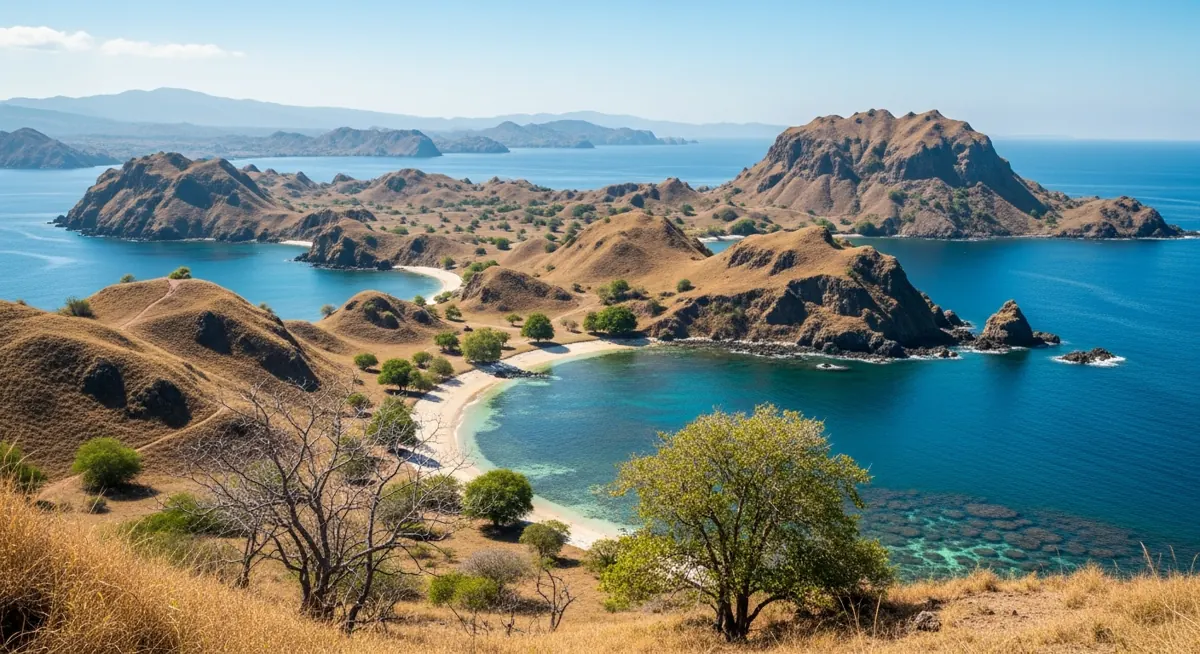
Komodo National Park experiences a tropical climate, characterized by wet and dry seasons. The dry season runs from April to December, while the wet season lasts from January to March. Here’s a breakdown of what you can expect during these times:
- Dry Season (April to December): This period is marked by minimal rainfall, lower humidity, and more stable temperatures, making it ideal for outdoor activities like hiking, diving, and snorkeling. Average temperatures range from 25°C to 32°C (77°F to 90°F).
- Wet Season (January to March): Expect higher humidity and frequent rain showers, which can affect visibility and outdoor activities. Average temperatures during the wet season hover around 24°C to 31°C (75°F to 88°F).
The dry season is generally the best time for a 3-day Komodo trip, as conditions are more favorable for exploration and wildlife observation.
Wildlife Activity Throughout the Year
Komodo National Park is home to a variety of unique wildlife, including the famous Komodo dragon, various species of birds, and vibrant marine life. Wildlife activity varies depending on the time of year:
- Komodo Dragons: The best time to see these iconic reptiles is during the dry season, particularly from July to September when they are more active and visible.
- Marine Life: Diving and snorkeling conditions are optimal from April to December, with the best visibility from June to September. This period coincides with the migration of various fish species, enhancing underwater experiences.
- Bird Watching: Bird enthusiasts will enjoy opportunities to spot migratory birds from August to October, when many species visit the islands.
Travelers should note that while wildlife can be observed year-round, the dry season offers the best chances to see a wider variety of species in their natural habitats.
Peak Months for Visiting
While the dry season lasts from April to December, certain months stand out for specific reasons:
- July to September: This is the peak season for wildlife viewing, particularly for seeing Komodo dragons and vibrant marine life. Expect larger crowds and higher prices for tours during this time.
- April and October: These shoulder months offer a balance of good weather and fewer tourists, making them an excellent choice for those who prefer a quieter experience.
- November to December: As the dry season begins to taper off, the weather remains pleasant, and prices may drop. However, wildlife sightings may be less frequent compared to the peak summer months.
Practical Considerations
When planning your 3-day Komodo trip, consider the following practical aspects:
- Booking in Advance: Given the popularity of the park, especially during peak months, it is advisable to book your trip at least a few months in advance to secure your preferred tour and accommodation.
- Tour Options: Various types of vessels are available for exploring Komodo National Park, including liveaboards, day boats, and luxury yachts. Each option has its own pricing structure, so consider your budget and preferences when making a choice.
- Guided Tours: Opting for a guided tour is recommended for first-time visitors, as experienced guides provide valuable insights about the park’s wildlife and ecosystems.
Cost Considerations
The cost of a 3-day trip to Komodo National Park can vary significantly based on the type of vessel, level of luxury, and included activities. Here’s a general breakdown:
- Budget Options: Starting at around $300 to $500 per person for a 3-day tour on a budget liveaboard, which typically includes meals and guided excursions.
- Mid-Range Options: Prices for mid-range tours can range from $600 to $1,200 per person, offering a more comfortable experience with added amenities.
- Luxury Options: High-end yacht experiences can cost upwards of $1,500 per person, featuring gourmet meals, private cabins, and exclusive excursions.
For more detailed pricing and booking options, visit our booking details page.
How to Get to Komodo National Park
Reaching Komodo National Park involves a few travel steps, but the journey is part of the adventure. Most visitors start their trip from Bali or Jakarta, with flights to Labuan Bajo on Flores Island, which serves as the gateway to the park. The flight from Bali to Labuan Bajo takes approximately 1 hour and 20 minutes, with ticket prices ranging from $50 to $150 USD depending on the airline and booking time.
Upon arrival in Labuan Bajo, travelers can arrange for a boat transfer to Komodo National Park. Options include private charters or joining a scheduled tour, with the latter being more economical. Prices for boat transfers can vary, but expect to pay around $30 to $50 USD for a round trip.
Accommodation Options in Labuan Bajo
Labuan Bajo offers a range of accommodations to suit different budgets and preferences, from budget hostels to luxury resorts. Popular choices include:
- Budget Accommodations: Hostels and guesthouses are available for as low as $10 to $20 USD per night, offering basic amenities and a chance to meet fellow travelers.
- Mid-Range Hotels: Comfortable hotels with amenities such as air conditioning and swimming pools are available for $50 to $100 USD per night.
- Luxury Resorts: For those seeking a premium experience, luxury resorts offer stunning views and top-tier services, with prices starting from $150 USD per night.
Essential Packing Tips for a 3-Day Komodo Trip
Preparing for your trip to Komodo National Park requires careful packing to ensure comfort and convenience. Consider the following essentials:
- Clothing: Lightweight, breathable clothing is recommended, along with a hat and sunglasses for sun protection. A light jacket may be needed for cooler evenings.
- Footwear: Sturdy hiking shoes are essential for exploring the rugged terrain, and flip-flops for boat trips and beach visits.
- Snorkeling Gear: While some tours provide snorkeling equipment, bringing your own mask and snorkel can ensure a better fit and hygiene.
- Medical Kit: Include basic first-aid supplies, motion sickness tablets, and any personal medications.
- Waterproof Bag: To protect electronics and important documents during boat transfers and water activities.
Ensuring you have the right gear will enhance your overall experience and allow you to focus on the natural beauty and adventure that Komodo National Park has to offer.
Optimal Travel Months for Komodo: Weather and Wildlife Insights
Traveling to Komodo National Park between April and December offers the most favorable conditions, with the dry season ensuring clear skies and calmer seas, ideal for wildlife viewing and outdoor adventures. Additionally, the months of July to September are particularly notable for increased wildlife activity and the opportunity to witness the awe-inspiring Komodo dragons in their natural habitat. Whether you’re an avid diver, a wildlife enthusiast, or simply seeking a unique travel experience, timing your visit during these optimal months will provide a memorable and rewarding journey.