– Dry season: April to December
– Rainy season: January to March
– Ideal for diving: June to September
Understanding the Seasons in Komodo National Park
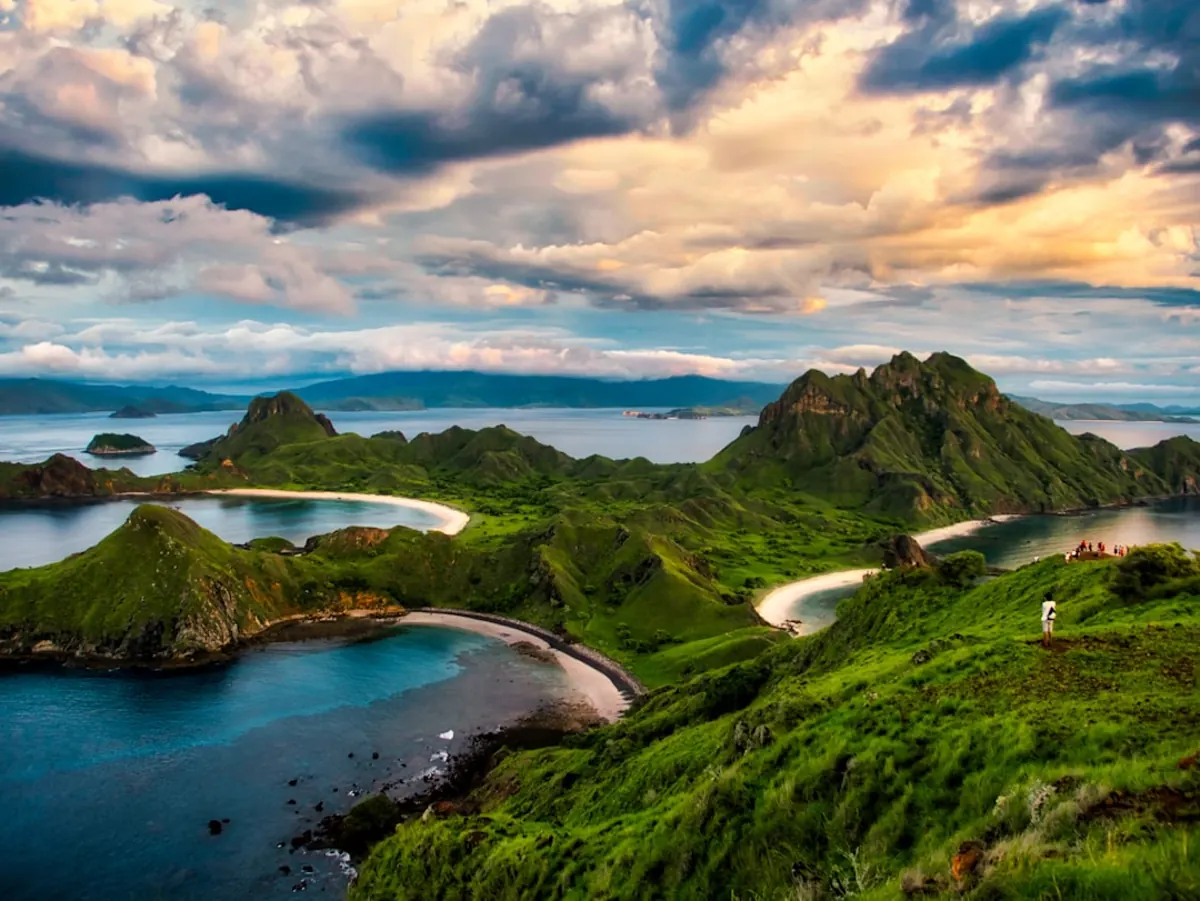
Komodo National Park, located in East Nusa Tenggara, Indonesia, is a UNESCO World Heritage site known for its unique wildlife and vibrant marine ecosystems. The park experiences two distinct seasons: the dry season and the rainy season. Understanding these seasons is crucial for planning your visit, especially if you want to make the most of activities such as diving, snorkeling, and trekking.
Dry Season (April to December)
The dry season in Komodo National Park runs from April to December. This is considered the peak tourist season due to the favorable weather conditions. Here’s what you can expect during these months:
Weather Conditions
– Temperature: Average daytime temperatures range from 27°C to 32°C (80°F to 90°F).
– Rainfall: Minimal rainfall, with the driest months being July to September.
– Humidity: Lower humidity levels, making outdoor activities more comfortable.
Marine Life and Visibility
The dry season is the ideal time for diving and snorkeling. Water visibility can reach up to 30 meters (98 feet), allowing for clear views of the diverse marine life, including manta rays, turtles, and vibrant coral reefs. The best months for diving are from June to September when the water is at its clearest.
Wildlife Activity
During the dry season, the chances of spotting Komodo dragons are higher, especially on Rinca Island and Komodo Island. The lack of rain means that the dragons are more active and easier to observe as they bask in the sun.
Trekking and Land Activities
The dry season is also favorable for trekking. Trails are less muddy and more accessible, making it easier to explore the striking landscapes and observe the unique flora and fauna. Popular trekking routes include Padar Island and the hills of Komodo Island.
Tourist Traffic and Pricing
Since the dry season is the peak tourist period, you can expect more visitors in the park. Prices for accommodations and guided tours may be higher, particularly in July and August. It’s advisable to book well in advance to secure the best options.
Rainy Season (January to March)
The rainy season in Komodo National Park lasts from January to March. While this period experiences more rainfall, it also brings its own unique benefits. Here’s what to consider:
Weather Conditions
– Temperature: Similar to the dry season, with averages from 26°C to 31°C (79°F to 88°F).
– Rainfall: Increased rainfall, particularly in January and February, which can lead to sudden downpours.
– Humidity: Higher humidity levels can make the heat feel more intense.
Marine Life and Visibility
Visibility for diving and snorkeling can be reduced during the rainy season due to increased sediment in the water. However, the marine life is still active, and you may have the chance to see unique species that are not as prevalent during the dry season.
Wildlife Activity
The rainy season brings a different landscape to the park. The vegetation is lush and green, providing a different backdrop for wildlife observation. While Komodo dragons are less active, you may spot other wildlife such as deer and various bird species.
Trekking and Land Activities
Trekking can be more challenging during the rainy season due to muddy trails and slippery conditions. However, some visitors enjoy the solitude and the vibrant natural environment that comes alive with the rains.
Tourist Traffic and Pricing
Fewer tourists visit during the rainy season, making it a quieter time to explore the park. This can lead to lower prices for accommodations and tours, offering a more budget-friendly option for visitors.
What Changes Between the Seasons?
Understanding the changes between the dry and rainy seasons is essential for planning your trip effectively. Here are the main differences:
- Weather: Dry season is warm and sunny; rainy season is humid with more rainfall.
- Diving Conditions: Dry season offers better visibility; rainy season can reduce visibility.
- Wildlife Activity: Dry season for active Komodo dragons; rainy season for vibrant landscapes and fewer tourists.
- Trekking Conditions: Easier trails in dry season; muddy and slippery in rainy season.
- Pricing: Higher prices during peak months in dry season; lower prices in rainy season.
Planning Your 3-Day Komodo Trip
When planning your 3-day trip to Komodo National Park, consider the season you wish to visit and what activities you prioritize.
Types of Vessels
Depending on your budget and preferences, various types of vessels are available for exploring the park:
– Day Boats: Ideal for short trips and day excursions, allowing you to visit key spots without overnight stays.
– Liveaboards: Perfect for diving enthusiasts or those wanting a more immersive experience. Liveaboards offer the chance to explore remote areas with overnight accommodations.
– Luxury Yachts: For a premium experience, luxury yachts provide comfort and exclusivity, often with personalized service.
Pricing Options
Prices for tours and accommodations can vary significantly based on the season and type of vessel. Here’s a general overview:
– Day Trips: Prices start at around $50-100 per person.
– Liveaboard Packages: Range from $300 to $800 for a 3-day trip, depending on the level of luxury and inclusions.
– Luxury Yachts: Rates can exceed $1,000 per person for a 3-day private charter.
For more detailed information about planning your trip, including pricing options and tips, visit our our 3Day Komodo Trip Pricing & Cost Guide guide page.
Choosing the Best Time for Your Komodo Adventure
For diving enthusiasts, the dry season from April to December offers crystal-clear waters and excellent visibility, making it perfect for exploring the vibrant marine life. On the other hand, visiting during the rainy season means experiencing Komodo’s landscapes at their greenest, with fewer tourists around to share the trails. Consider what kind of adventure you seek, whether it’s witnessing the Komodo dragons basking in the sun or enjoying the serenity of less crowded paths.
Planning specifics? See check what’s included or book 3Day Komodo Trip | 3Daykomodotrip.